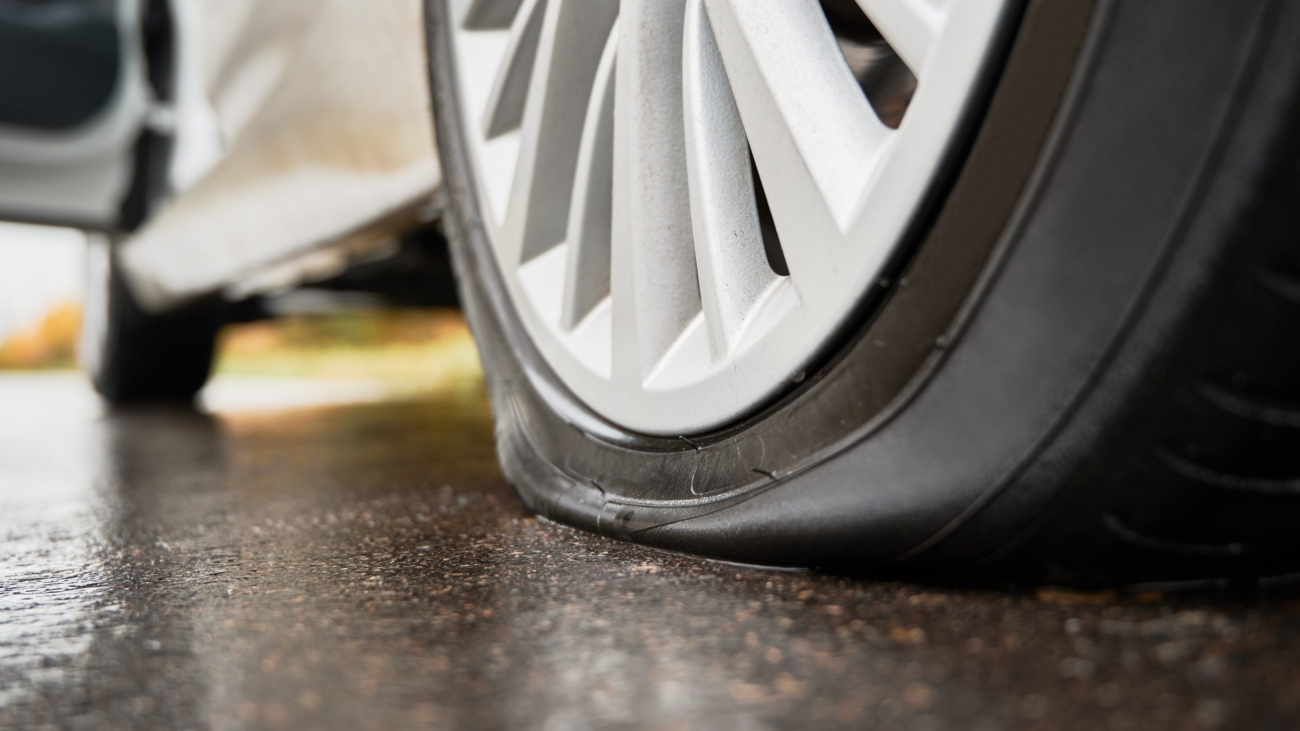
Tires are the only parts of a vehicle designed to maintain direct contact with the road. Despite their relatively simple appearance, they influence acceleration, braking, steering response, fuel consumption, and overall driving stability. Their condition can determine how a vehicle responds during an ordinary turn or an unexpected emergency maneuver.
Tire care is therefore not just another maintenance task. It is a fundamental part of responsible vehicle ownership.
Understanding the Importance of Inflation Pressure
Air pressure affects the way a tire carries weight and distributes forces across its tread. Underinflated tires can flex excessively, generating additional heat and accelerating wear. They may also increase rolling resistance and negatively affect handling.
Overinflated tires can reduce the size and shape of the contact area, potentially affecting grip, ride comfort, and tread wear.
The correct inflation pressure is usually specified on a placard located inside the driver's door area or in the owner's manual. It is generally different from the maximum pressure printed on the tire sidewall.
Pressure should be checked when tires are cold, preferably before the vehicle has been driven for a significant distance. Seasonal temperature changes make regular checks especially important.
Reading the Story Written in Tread Wear
Tire tread can reveal valuable information about vehicle condition. Even wear across the tread surface generally suggests that pressure and alignment are within an appropriate range, although it does not prove that every component is functioning correctly.
Excessive wear along both shoulders may be associated with underinflation. Increased wear near the center can sometimes indicate overinflation. Uneven wear on one side may point toward alignment problems or suspension-related issues.
These patterns are useful diagnostic clues rather than definitive conclusions. Tire construction, driving habits, rotation history, and road conditions also influence wear.
Tread depth is another essential consideration. As grooves become shallower, the tire has less capacity to channel water away from the contact area. This increases the risk of reduced traction on wet roads.
Rotation, Alignment, and Balancing
Tire rotation helps distribute wear more evenly across all four tires. However, rotation patterns depend on tire direction, vehicle drivetrain, wheel dimensions, and manufacturer recommendations.
Wheel alignment concerns the angles at which the wheels meet the road. Incorrect alignment may contribute to uneven tire wear, unstable handling, or a steering wheel that sits off-center.
Wheel balancing addresses uneven weight distribution around the wheel-and-tire assembly. An imbalance may produce vibrations at particular speeds, often noticeable through the steering wheel or seat.
These procedures solve different problems. Rotating tires does not correct poor alignment, and balancing does not repair worn suspension components.
Choosing Tires for Actual Driving Conditions
Tires should match the vehicle's specifications and the conditions in which it operates. All-season, summer, and winter tires use different tread designs and rubber compounds to address different temperature and traction requirements.
Summer tires generally emphasize warm-weather handling and wet or dry road performance. Winter tires are engineered to maintain flexibility and traction in colder conditions, particularly on snow-covered or icy surfaces.
All-season tires offer a compromise for a range of moderate conditions, but they do not necessarily provide the same cold-weather performance as dedicated winter tires.
When selecting replacement tires, consider load capacity, speed rating, dimensions, seasonal conditions, and the vehicle manufacturer's guidance.
Recognizing When Replacement Is Necessary
Visible cracks, bulges, exposed cords, repeated pressure loss, and damage to the sidewall can indicate that a tire is unsafe. Some damage cannot be repaired reliably, even if the tread appears relatively new.
Tire age also matters. Rubber changes over time, and the manufacturer's recommendations should guide inspection and replacement decisions.
A few minutes spent examining the tires can reveal problems that are easy to overlook while driving. Since every braking maneuver, corner, and acceleration depends on tire performance, their condition deserves consistent attention.