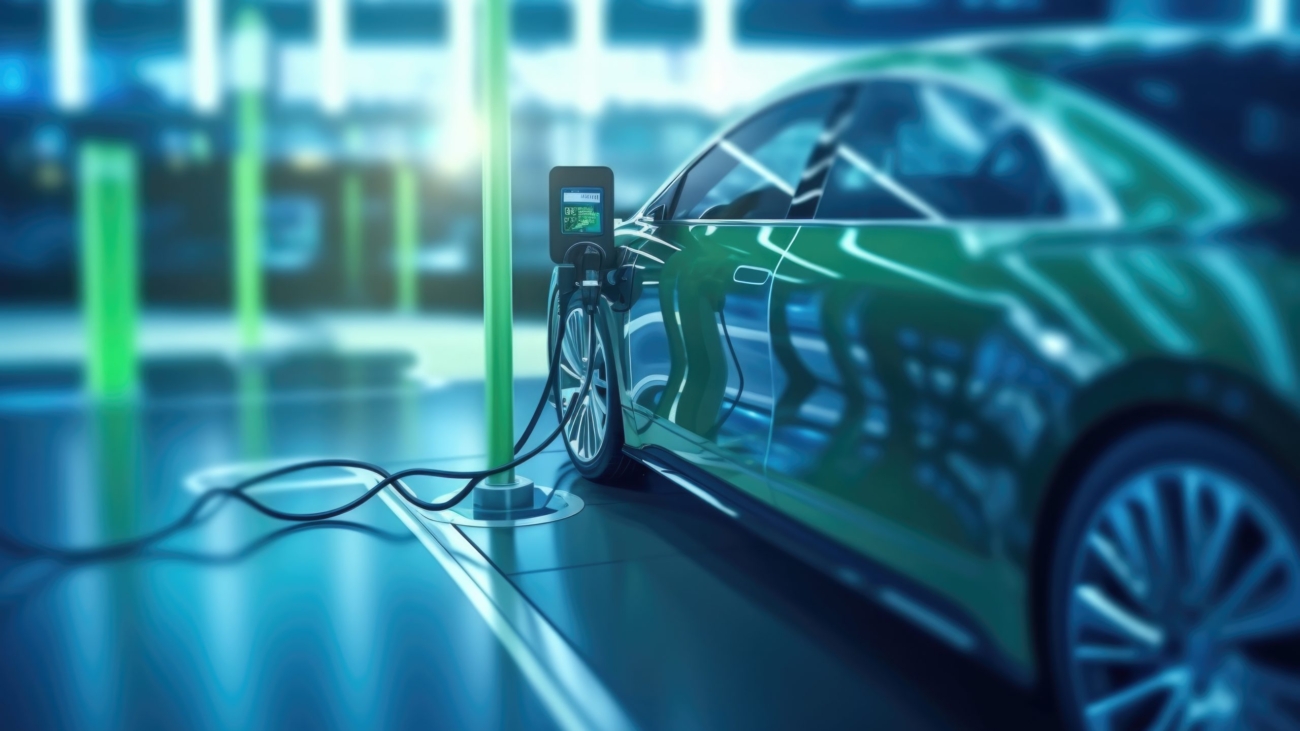
The electric vehicle industry is still developing. Many technologies that are now familiar were considered experimental or impractical only a relatively short time ago.
Future progress will not depend on a single invention. Instead, it will come from improvements across batteries, motors, charging systems, materials, software, manufacturing, and energy management.
The next generation of electric mobility is likely to be defined by how these technologies work together.
Batteries With Greater Energy Density
One major research goal is increasing the amount of energy stored within a given amount of battery material and weight.
Higher energy density could allow vehicles to travel farther without requiring proportionally larger battery packs.
However, energy density is only one measurement of battery quality. Engineers must also consider safety, durability, charging speed, temperature behavior, manufacturing complexity, material availability, and cost.
A battery with exceptional energy density would not automatically be the ideal solution if it performed poorly in other areas.
Solid-State Battery Research
Solid-state batteries are frequently discussed as a potential next step in battery development.
Traditional lithium-ion batteries use liquid or gel-like electrolytes. Solid-state concepts replace this component with a solid material.
Researchers are exploring whether this approach can provide improvements in energy density, safety, charging behavior, and durability.
Commercializing such technology at large scale presents substantial engineering and manufacturing challenges.
The transition from laboratory demonstrations to reliable mass production is often much more difficult than developing the underlying scientific concept.
Charging Could Become More Convenient
Charging technology is also evolving.
Higher-power charging can reduce the time required to add energy, while improved thermal management can help batteries accept power more consistently.
Wireless charging is another area of development. Instead of physically connecting a cable, a vehicle can receive energy through an electromagnetic charging system when positioned above a compatible surface.
Automated charging concepts may eventually make energy replenishment even more seamless.
Bidirectional Energy Flow
Most charging systems move electricity in one direction: from the electrical supply into the vehicle.
Bidirectional charging changes this relationship.
A compatible electric vehicle can potentially send electricity back toward a building, electrical system, or other equipment.
This could allow vehicle batteries to function as temporary energy-storage resources.
The practical usefulness of bidirectional charging depends on vehicle hardware, charging equipment, software controls, electrical standards, and appropriate safety systems.
Smarter Energy Management
Software will continue to influence electric vehicle efficiency.
Future systems may become better at predicting energy consumption based on traffic, weather, terrain, temperature, charging availability, and individual driving patterns.
More accurate prediction can help drivers plan journeys while allowing the vehicle to optimize battery temperature and energy use.
Artificial intelligence and advanced algorithms may contribute to these systems, although their usefulness will depend on reliable data and careful system design.
Recycling and Circular Manufacturing
Battery development is increasingly connected with material recovery.
Future manufacturing systems may place greater emphasis on recovering valuable materials from older batteries and using them in new products.
Improved battery labeling, standardized components, modular construction, and automated disassembly could make recycling more efficient.
The objective is to move toward a system in which battery materials remain in productive circulation for as long as possible.
Lightweight Materials and Better Aerodynamics
Battery weight remains an important engineering consideration.
Reducing unnecessary vehicle mass can improve efficiency, acceleration, handling, and energy consumption.
Aerodynamic design is equally important, particularly at higher speeds.
Even small improvements in airflow can influence the amount of energy required to move through the atmosphere.
Future vehicles may therefore become more efficient through incremental improvements to body shape, materials, wheel design, thermal systems, and structural engineering.
A Broader Transportation Ecosystem
Electric vehicles are only one part of a larger transition in transportation.
Charging infrastructure, electrical grids, renewable energy, battery recycling, software services, manufacturing systems, and mobility patterns all influence how electric transportation develops.
The future will not be determined by batteries alone.
The most significant changes may come from the interaction between technologies that are currently developing separately.
Electric mobility is therefore better understood as an evolving ecosystem rather than a finished product. The vehicles of the future will likely be more efficient, more connected, more software-driven, and more integrated with the energy systems around them.