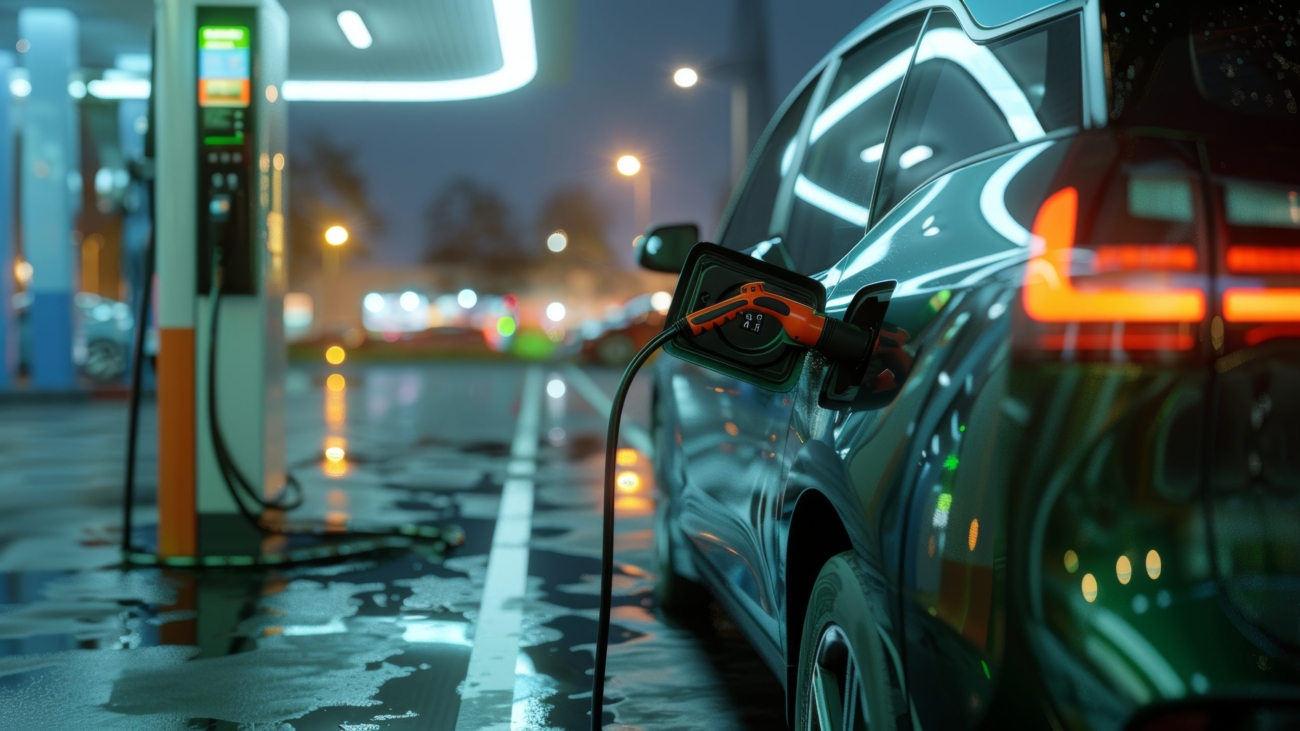
Charging is one of the most noticeable differences between owning an electric vehicle and driving a conventional combustion-powered vehicle. Instead of spending several minutes transferring liquid fuel into a tank, an electric vehicle gradually receives electrical energy through a charging system.
The process can be remarkably simple, but the actual charging experience depends on many variables.
Different Charging Speeds
Electric vehicles can generally be charged using different levels of electrical power.
Lower-power charging is often suitable for long periods when the vehicle is parked. A vehicle may remain connected for several hours while the battery gradually receives energy.
Higher-power charging can transfer energy much more quickly. These systems are particularly useful when a vehicle needs additional range during a journey.
However, charger power alone does not determine charging speed. The vehicle itself has a maximum charging capability, and the battery management system determines how much power can safely be accepted at a particular moment.
Why Charging Slows Down
One of the most misunderstood aspects of electric vehicle charging is the reduction in charging speed at higher states of charge.
When the battery is relatively empty, it may accept a large amount of electrical power. As the battery approaches a high state of charge, the vehicle typically reduces the power entering the pack.
This is comparable to filling a container carefully near the top rather than continuing at maximum flow.
The result is that charging from a low level to a moderate level can often be considerably faster than charging from a high level to completely full.
For everyday use, this can make partial charging more practical than waiting for a full charge every time.
Home Charging and Daily Routines
One major advantage of electric vehicles is the possibility of charging while the vehicle is parked for extended periods.
When charging equipment is available at home, a vehicle can potentially begin each day with a predictable amount of stored energy without requiring a separate stop during the morning routine.
Charging can also be scheduled in vehicles or charging systems that support timed operation.
This turns energy replenishment into something that can happen passively while the vehicle is already parked rather than becoming a separate task.
Fast Charging Has a Different Purpose
Rapid charging is particularly useful during longer journeys.
Instead of waiting for a complete recharge, drivers can add enough energy to continue traveling. The practical duration of a charging stop depends on battery temperature, starting state of charge, charger output, vehicle limits, and other conditions.
Frequent high-power charging is not automatically harmful, but it creates additional thermal and electrical demands. Modern battery management systems are designed to manage these conditions.
The vehicle may actively regulate charging power to keep the battery within appropriate operating limits.
Why Cold Batteries Can Charge Slowly
Temperature has a significant influence on charging.
A cold battery may initially accept energy more slowly because the chemical processes inside the cells operate differently at low temperatures. Vehicles with battery thermal management may warm the pack before or during charging.
This is one reason battery preconditioning can be useful before a high-power charging session.
The same principle explains why driving range and charging behavior can change noticeably between mild and very cold conditions.
Charging Habits and Battery Longevity
Different vehicles have different recommendations for everyday charging. Some manufacturers encourage keeping the battery within a particular state-of-charge range for routine use, while allowing higher levels when necessary for longer journeys.
Following the manufacturer's instructions is more useful than relying on a universal charging rule.
Modern batteries are designed to withstand regular use, and their management systems include safeguards against overcharging and excessive operating conditions.
The important shift in thinking is that an electric vehicle does not need to be treated like a large electronic device that must always reach 100 percent. Charging is a flexible process that can be adapted to how the vehicle is actually used.
A New Way to Think About Refueling
Electric charging changes the rhythm of vehicle ownership.
Instead of every energy stop being a deliberate refueling event, charging can become integrated into parking, overnight routines, workplace stays, and longer journeys.
As charging technology continues to improve, the distinction between driving and charging is becoming less rigid. Energy can be added whenever the vehicle is naturally stationary, creating an entirely different relationship between transportation and time.