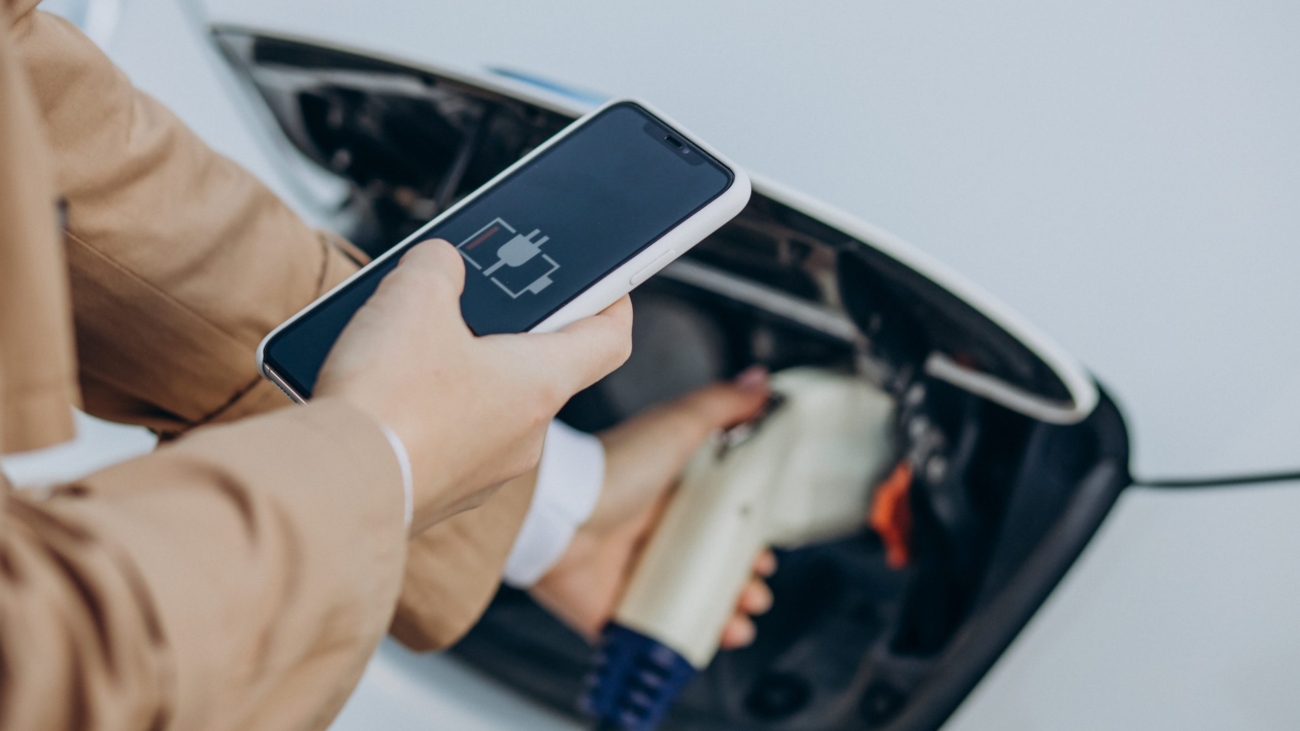
Few driving experiences are more frustrating than turning the key or pressing the start button and hearing nothing but silence. A vehicle that refuses to start can disrupt an ordinary morning, interrupt a long journey, or leave its owner wondering where to begin.
Although a dead battery is a common explanation, the starting system involves several interconnected components. Understanding how these parts work together makes it easier to recognize possible causes and avoid unnecessary repairs.
The Battery: More Than a Source of Electricity
A vehicle's battery provides electrical energy for starting and supports various systems when the engine is not running. Modern vehicles also depend on stable electrical power for electronic control modules, security systems, sensors, and comfort features.
Battery performance changes with age, temperature, and usage. Cold weather reduces the amount of power a battery can deliver, while high temperatures can accelerate internal deterioration.
Frequent short journeys may prevent the charging system from fully restoring the energy used during starting. Leaving interior lights or other electrical accessories operating while the engine is off can also discharge the battery.
Slow cranking, dim lights, or repeated starting difficulties may indicate a weakening battery. However, these symptoms can also result from electrical connections, charging problems, or starter-related faults.
What Happens When You Turn the Key
The starter motor is responsible for rotating the engine until combustion can begin independently. When the starting system receives the appropriate signal, electrical energy from the battery activates the starter mechanism.
A clicking noise during an attempted start may indicate insufficient electrical power, poor connections, or a faulty starter component. A single loud click can have different possible causes from repeated rapid clicking.
If the dashboard illuminates normally but the engine does not crank, the problem may involve the starter circuit, a safety interlock, the ignition system, or another electrical component.
Vehicles equipped with push-button starting systems may also depend on key-fob recognition, brake-pedal signals, or other electronic conditions. Checking the owner's manual can help identify basic starting requirements.
The Alternator and Charging Process
Once the engine is running, the alternator generates electricity to support vehicle systems and recharge the battery. The charging system maintains the electrical supply needed for reliable operation.
A malfunctioning alternator may cause warning lights, unstable electrical performance, battery discharge, or unusual noises. In some vehicles, the symptoms can appear gradually, while in others they develop more suddenly.
A battery warning light does not automatically mean that the battery itself is defective. It may indicate a problem somewhere in the charging system, including the alternator, wiring, belt drive, or associated electronics.
Professional testing can distinguish between these possibilities more accurately than replacing parts based on symptoms alone.
Recognizing Problems Before They Become Emergencies
Pay attention to changes in starting behavior. An engine that previously started immediately but now requires several attempts deserves investigation.
Visible corrosion around battery terminals, loose connections, damaged cables, and unusual electrical behavior are additional reasons to arrange an inspection.
Battery terminals should be handled carefully. Electrical systems can produce dangerous short circuits, and incorrect jump-starting procedures may damage sensitive electronics or cause injury.
If jump-starting is permitted by the vehicle manufacturer, follow the exact procedure in the owner's manual. Some vehicles have designated connection points or special requirements.
Why Preventive Testing Matters
Battery and charging-system inspections are particularly useful before periods of extreme temperatures or extended travel. A professional load test can assess battery condition more effectively than relying on its resting voltage alone.
Replacing a weak battery at an appropriate time is usually more convenient than discovering its limitations when the vehicle is needed most.
A reliable starting system is easy to take for granted because it works quietly in the background. Understanding its basic components, recognizing early symptoms, and checking electrical health periodically can help prevent unexpected interruptions.