What Really Happens Inside an Electric Vehicle Battery

The battery is the defining component of an electric vehicle. It stores the energy that ultimately moves the wheels, powers climate systems, supports onboard electronics, and makes the entire vehicle function without a conventional combustion engine. Yet from the outside, a battery pack appears surprisingly simple: a large enclosed unit mounted beneath the vehicle.

Inside, however, thousands of individual processes are taking place.

Understanding how an electric vehicle battery works helps explain charging behavior, driving range, temperature management, degradation, and many of the differences between electric and combustion-powered vehicles.

From Cells to a Complete Pack

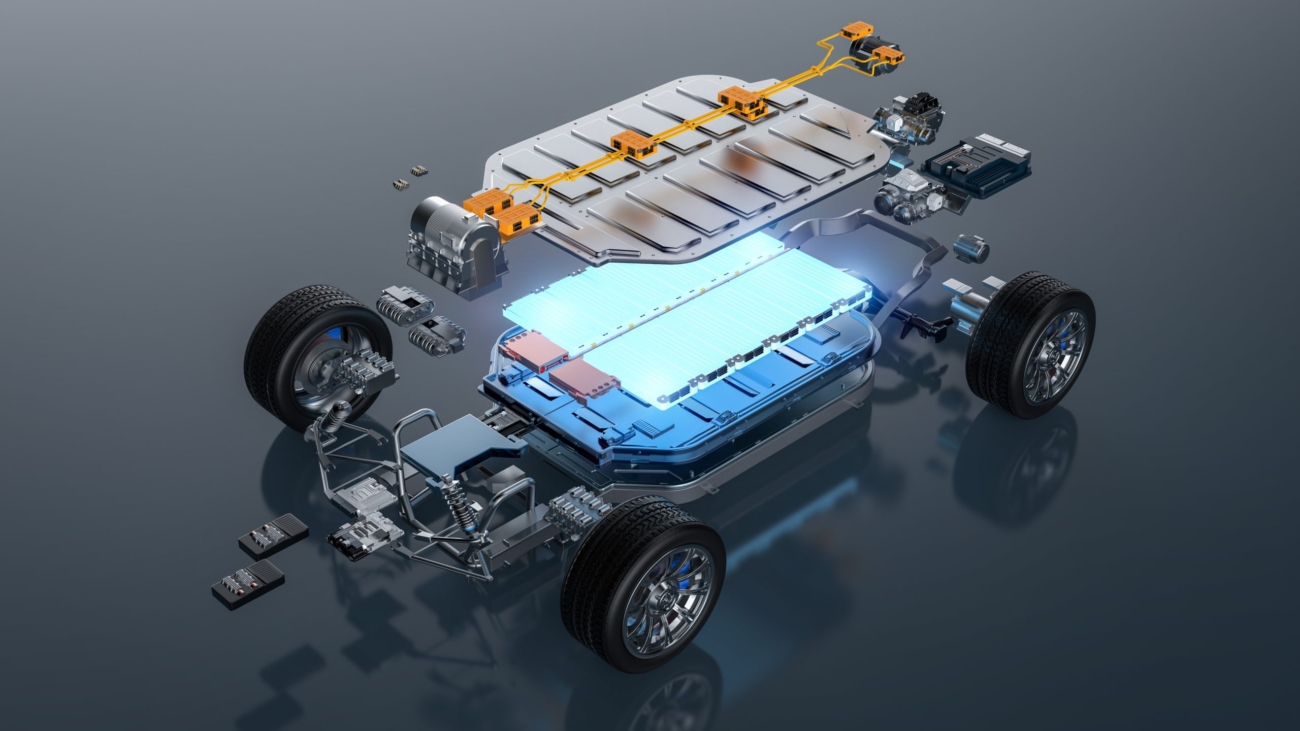
An electric vehicle battery is not one enormous cell. It is a collection of many smaller battery cells connected together.

These cells are organized into modules or other structural arrangements, depending on the vehicle’s design. The complete battery pack also contains electrical connections, sensors, cooling components, protective structures, and electronic control equipment.

The battery management system monitors important characteristics such as voltage, temperature, and state of charge. It helps keep individual cells operating within appropriate limits.

This monitoring is essential because the cells must work together as a coordinated system. Differences between individual cells can influence the overall performance of the pack.

Why Temperature Matters

Battery chemistry is sensitive to temperature.

Very cold conditions can temporarily reduce the amount of power available and may increase charging times. Extremely high temperatures can also affect battery performance and accelerate unwanted chemical processes.

For this reason, many electric vehicles use thermal management systems. Depending on the design, these systems can heat or cool the battery to maintain a more suitable operating range.

Some vehicles can prepare the battery before arriving at a fast charger. This process, often called battery preconditioning, can improve charging performance when conditions require additional heating or cooling.

Temperature management is therefore not simply a comfort feature. It is an important part of battery operation.

Why Batteries Lose Capacity

Battery degradation is a gradual process rather than an instant failure.

Over many charging and driving cycles, chemical changes occur inside the cells. Repeated exposure to very high or very low states of charge, extreme temperatures, and high-power charging can influence long-term battery behavior.

However, degradation is not necessarily uniform across all vehicles. Battery chemistry, thermal management, charging habits, driving conditions, and software strategies all contribute.

A battery that has lost some capacity can continue to function normally. Its practical range may simply become somewhat lower than when it was new.

Charging Is More Than Filling a Tank

Electric vehicle charging behaves differently from conventional refueling.

Charging speed is influenced by battery temperature, current state of charge, charger capability, vehicle limitations, and the battery’s charging curve.

A battery may accept high power when its state of charge is relatively low and gradually reduce charging power as it becomes fuller. This protects the battery and manages heat.

As a result, the time required to charge from a low state of charge to a moderate level can be very different from the time needed to charge from a moderate level to nearly full.

The Role of Battery Chemistry

Not all batteries use identical chemistry. Different technologies can emphasize different characteristics, including energy density, thermal behavior, durability, charging performance, cost, and material requirements.

Research continues into improved lithium-based chemistries as well as alternative approaches such as solid-state battery concepts.

No single battery chemistry solves every challenge. Increasing energy density may introduce different engineering requirements, while prioritizing longevity or material availability can involve other trade-offs.

Looking at the Battery as a System

The most useful way to understand an electric vehicle battery is not simply as an energy container. It is a complete engineered system.

Cells, cooling equipment, sensors, software, electrical components, and structural elements work together to manage stored energy safely and efficiently.

As battery technology develops, improvements are likely to come from many directions rather than from one dramatic breakthrough. Better chemistry, smarter software, improved thermal management, more efficient manufacturing, and stronger recycling processes can all contribute to the next generation of electric mobility.


A Fresh Start for Every Season: Preparing Your Vehicle for Changing Weather

The changing seasons bring new scenery, different road conditions, and fresh challenges for vehicle owners. A car that performs comfortably during warm weather may behave very differently when temperatures drop, rain becomes frequent, or summer heat places additional stress on its systems. Seasonal vehicle preparation is about more than switching tires. It involves understanding how environmental conditions influence performance, safety, comfort, and long-term reliability.

Spring: Recovering From Months of Harsh Conditions

Spring offers an opportunity to examine the effects of winter driving. Moisture, road debris, temperature fluctuations, and corrosive substances can affect the underbody, suspension components, braking hardware, and exterior finishes.

Begin with a thorough exterior wash, paying particular attention to the wheel wells, lower body panels, and areas where dirt accumulates. Inspect the underside for visible damage or unusual corrosion. Check the windshield for small chips that may have developed during colder months.

Spring is also a useful time to inspect windshield wipers. Rubber blades can deteriorate after repeated exposure to freezing temperatures and sunlight. Streaking, skipping, or unusual noise during operation often indicates that replacement is necessary.

Summer: Managing Heat and Long Journeys

High temperatures create demanding conditions for engines, batteries, tires, and cooling systems. Heat can accelerate fluid deterioration, increase tire pressure, and expose weaknesses in aging components.

Before extended summer journeys, examine the coolant level according to the manufacturer’s instructions. Look for visible leaks, damaged hoses, and signs of overheating. A cooling system should never be opened while it is hot and pressurized.

Air conditioning deserves attention as well. Weak airflow, unusual odors, or inconsistent cooling may indicate a need for filter replacement, cleaning, or professional diagnosis.

Summer driving also makes tire condition particularly important. Inspect tread depth, sidewalls, and inflation pressure while the tires are cold. Correct pressure should follow the vehicle manufacturer’s recommendations rather than the maximum value printed on the tire.

Autumn: Preparing for Rain, Wind, and Shorter Days

Autumn introduces changing visibility and increasingly unpredictable weather. Rain, fallen leaves, early darkness, and morning fog all influence driving conditions.

Inspect exterior lights and replace damaged bulbs. Clean headlight lenses if they have become cloudy, and verify that headlights are properly aimed. Make sure the windshield washer system functions correctly and that the fluid is suitable for the temperatures expected.

Tire condition becomes particularly important when roads are wet. Worn tread reduces the tire’s ability to channel water away from the contact area, increasing the risk of losing traction.

Autumn is also an excellent time to review the condition of the battery, especially if it is several years old. Cold weather places additional demands on battery performance, making an existing weakness more noticeable.

Winter: Protecting Essential Systems

Cold conditions influence nearly every part of a vehicle. Engine oil becomes more viscous, battery output decreases, and tires may lose pressure as temperatures fall.

Use manufacturer-approved fluids appropriate for the expected climate. Check that the battery terminals are clean and secure, and consider a professional battery test if starting becomes slower than usual.

Keep essential winter equipment accessible, including an ice scraper, appropriate windshield washer fluid, and any emergency supplies suited to local conditions.

Winter preparation should also include reviewing the heating and defrosting systems. Clear windows are essential for visibility, and a properly functioning defroster helps prevent condensation from interfering with safe driving.

Maintenance as a Year-Round Routine

Seasonal checks work best when they complement regular maintenance rather than replace it. Oil changes, brake inspections, tire rotations, and scheduled servicing should follow the vehicle’s maintenance plan.

Weather changes are inevitable, but unexpected mechanical problems do not have to be part of every season. A little preparation before conditions shift can make everyday driving more comfortable, consistent, and dependable.

Every Mile Has a Cost: How Driving Habits Shape Vehicle Efficiency

Two drivers can own identical vehicles and experience noticeably different fuel consumption, maintenance needs, and component wear. The difference often comes down to how they drive.

Acceleration patterns, braking frequency, travel speed, trip length, vehicle loading, and even the way accessories are used can influence operating efficiency. Understanding these relationships provides practical ways to reduce unnecessary mechanical stress while making everyday journeys more consistent.

Acceleration and the Energy Behind Movement

A vehicle requires energy to increase speed. The harder and more frequently it accelerates, the more energy it generally consumes.

Rapid acceleration can increase fuel use, particularly when it is followed by immediate braking. In heavy traffic, this pattern repeatedly converts engine energy into movement and then discards much of that energy through the braking system.

Smooth acceleration helps maintain a more consistent driving rhythm. It also reduces abrupt changes in mechanical load and may improve passenger comfort.

This does not mean acceleration should always be extremely slow. Drivers still need to merge, overtake, and respond to traffic conditions safely. The objective is to avoid unnecessary extremes rather than compromise appropriate vehicle control.

The Relationship Between Speed and Air Resistance

As a vehicle moves faster, aerodynamic resistance becomes increasingly important. Air resistance rises substantially with speed, meaning that relatively small increases in cruising speed can require significantly more power.

Vehicle shape, frontal area, wind conditions, and road conditions all influence aerodynamic drag.

Maintaining a steady and appropriate cruising speed can help reduce unnecessary energy consumption. Cruise control may support consistency on suitable roads, although it is not ideal for every situation, particularly on slippery surfaces or roads with frequent changes in elevation.

Keeping windows closed at higher speeds can also reduce aerodynamic drag, depending on vehicle design and operating conditions.

Tire Pressure and Rolling Resistance

Tires continuously deform as they rotate. This deformation creates rolling resistance, which requires energy to overcome.

Incorrect inflation pressure can increase rolling resistance and affect handling. Underinflation also creates additional heat and may accelerate tire deterioration.

Regularly checking tire pressure is a simple way to maintain appropriate operating conditions. Pressure should follow the manufacturer’s specifications and be measured when tires are cold.

Wheel alignment and tire condition also matter. Damaged tires, unsuitable replacements, or incorrect alignment can contribute to unnecessary energy losses.

The Hidden Impact of Short Trips

Frequent short journeys can be demanding for conventional combustion engines. During cold starts, the engine and its fluids have not yet reached their normal operating temperatures.

Fuel enrichment strategies, increased friction during warm-up, and the operation of heating or defrosting systems may influence consumption during these trips.

Repeatedly shutting down an engine shortly after starting can also limit the opportunity for the charging system to restore the battery’s energy.

Combining several nearby errands into one practical route may reduce the number of cold starts and total distance traveled. However, trip planning should always account for actual travel needs rather than adding unnecessary journeys.

Weight, Accessories, and Maintenance

Unnecessary cargo increases the mass a vehicle must move. Removing unused heavy items can therefore support efficiency, particularly during frequent acceleration and uphill driving.

Roof racks and external cargo carriers can increase aerodynamic drag, especially at higher speeds. Removing them when they are not needed may reduce unnecessary resistance.

Mechanical condition also plays a role. Incorrect fluid levels, neglected maintenance, dragging brakes, or faulty engine sensors can affect performance and fuel consumption.

Unexpected increases in fuel use should not automatically be blamed on driving habits. Changes in weather, traffic, route selection, tire condition, and mechanical performance can all contribute.

Efficiency Without Sacrificing Safety

Efficient driving is not about chasing the lowest possible fuel consumption at any cost. It is about avoiding waste while maintaining safe distances, appropriate speeds, and predictable vehicle behavior.

Looking farther ahead, anticipating traffic flow, and reducing unnecessary braking can improve the smoothness of a journey.

Over time, small adjustments become habits. Those habits can influence fuel consumption, component wear, driving comfort, and the overall experience of vehicle ownership.

Cold Weather, Hot Days, and the Real-World Range of EVs

Electric vehicle range is often discussed as though it were a fixed number. In practice, available range changes constantly.

Temperature, driving speed, terrain, wind, passenger load, tire pressure, heating, air conditioning, and driving style can all influence how much energy the vehicle consumes.

Understanding these factors makes range behavior much easier to interpret.

Why Cold Weather Has Such an Effect

Low temperatures influence both the battery and the energy required to keep passengers comfortable.

A cold battery may temporarily provide less available power and may require heating before operating at its most efficient temperature range.

At the same time, the cabin needs energy for heating. In a combustion engine, substantial waste heat is naturally produced during operation and can be used for cabin warmth. An electric vehicle does not have the same source of excess engine heat.

Many electric vehicles therefore use electric heating systems or heat pumps.

These systems consume energy from the battery, which can reduce the energy available for propulsion.

Heating the Vehicle Before Driving

Preconditioning can help reduce the impact of extreme temperatures.

When an electric vehicle is connected to an external power source, some systems can heat or cool the cabin before departure. The battery can also be prepared for driving or charging.

This means some of the energy required for initial comfort and temperature management can come from the electrical supply rather than being taken entirely from the battery during the journey.

Preconditioning is especially useful when the vehicle has been parked in very cold or very hot conditions.

Summer Brings Its Own Challenges

High temperatures also influence battery performance.

The vehicle’s thermal management system may need to actively cool the battery, particularly during demanding driving or rapid charging. Cabin air conditioning also consumes electrical energy.

Heat does not necessarily produce the same range reduction as severe cold, but sustained high temperatures can increase energy demand.

Parking conditions matter as well. A vehicle exposed to strong sunlight can become extremely hot inside, requiring significant cooling energy before the cabin becomes comfortable.

Speed Has a Major Influence

Aerodynamic resistance becomes increasingly important as speed rises.

This means driving at a higher speed can require substantially more energy than traveling at a moderate speed.

The effect is especially noticeable during long journeys because aerodynamic resistance remains present continuously.

Tire pressure, wind direction, road surface, and vehicle shape also influence the amount of energy required to maintain speed.

Hills and Descents

Climbing requires additional energy because the vehicle is gaining elevation.

An electric vehicle can recover some energy during the descent through regenerative braking. However, it cannot recover all of the energy used during the climb.

Terrain therefore still influences total energy consumption.

The efficiency of regeneration and the driving conditions determine how much energy can be recovered.

Why the Range Display Changes

Electric vehicles often estimate remaining range using recent energy consumption and other available data.

If the vehicle has recently been driven efficiently, the displayed range may increase. Heavy heating use, high-speed driving, or steep terrain may cause the estimate to decrease.

This does not necessarily mean the battery’s physical capacity has suddenly changed.

The range estimate is a prediction based on current conditions and expected energy consumption.

Thinking Beyond a Single Number

Real-world electric vehicle range is better understood as a moving estimate rather than a permanent specification.

Drivers who understand temperature, speed, climate control, terrain, and tire pressure can interpret changes more realistically.

The most useful question is not simply how far an electric vehicle can travel under ideal conditions. It is how the vehicle’s energy consumption responds to the conditions in which it is actually being used.

That perspective makes range management less about anxiety and more about understanding the vehicle’s behavior.

When Your Car Refuses to Start: Understanding the Starting and Charging Systems

Few driving experiences are more frustrating than turning the key or pressing the start button and hearing nothing but silence. A vehicle that refuses to start can disrupt an ordinary morning, interrupt a long journey, or leave its owner wondering where to begin.

Although a dead battery is a common explanation, the starting system involves several interconnected components. Understanding how these parts work together makes it easier to recognize possible causes and avoid unnecessary repairs.

The Battery: More Than a Source of Electricity

A vehicle’s battery provides electrical energy for starting and supports various systems when the engine is not running. Modern vehicles also depend on stable electrical power for electronic control modules, security systems, sensors, and comfort features.

Battery performance changes with age, temperature, and usage. Cold weather reduces the amount of power a battery can deliver, while high temperatures can accelerate internal deterioration.

Frequent short journeys may prevent the charging system from fully restoring the energy used during starting. Leaving interior lights or other electrical accessories operating while the engine is off can also discharge the battery.

Slow cranking, dim lights, or repeated starting difficulties may indicate a weakening battery. However, these symptoms can also result from electrical connections, charging problems, or starter-related faults.

What Happens When You Turn the Key

The starter motor is responsible for rotating the engine until combustion can begin independently. When the starting system receives the appropriate signal, electrical energy from the battery activates the starter mechanism.

A clicking noise during an attempted start may indicate insufficient electrical power, poor connections, or a faulty starter component. A single loud click can have different possible causes from repeated rapid clicking.

If the dashboard illuminates normally but the engine does not crank, the problem may involve the starter circuit, a safety interlock, the ignition system, or another electrical component.

Vehicles equipped with push-button starting systems may also depend on key-fob recognition, brake-pedal signals, or other electronic conditions. Checking the owner’s manual can help identify basic starting requirements.

The Alternator and Charging Process

Once the engine is running, the alternator generates electricity to support vehicle systems and recharge the battery. The charging system maintains the electrical supply needed for reliable operation.

A malfunctioning alternator may cause warning lights, unstable electrical performance, battery discharge, or unusual noises. In some vehicles, the symptoms can appear gradually, while in others they develop more suddenly.

A battery warning light does not automatically mean that the battery itself is defective. It may indicate a problem somewhere in the charging system, including the alternator, wiring, belt drive, or associated electronics.

Professional testing can distinguish between these possibilities more accurately than replacing parts based on symptoms alone.

Recognizing Problems Before They Become Emergencies

Pay attention to changes in starting behavior. An engine that previously started immediately but now requires several attempts deserves investigation.

Visible corrosion around battery terminals, loose connections, damaged cables, and unusual electrical behavior are additional reasons to arrange an inspection.

Battery terminals should be handled carefully. Electrical systems can produce dangerous short circuits, and incorrect jump-starting procedures may damage sensitive electronics or cause injury.

If jump-starting is permitted by the vehicle manufacturer, follow the exact procedure in the owner’s manual. Some vehicles have designated connection points or special requirements.

Why Preventive Testing Matters

Battery and charging-system inspections are particularly useful before periods of extreme temperatures or extended travel. A professional load test can assess battery condition more effectively than relying on its resting voltage alone.

Replacing a weak battery at an appropriate time is usually more convenient than discovering its limitations when the vehicle is needed most.

A reliable starting system is easy to take for granted because it works quietly in the background. Understanding its basic components, recognizing early symptoms, and checking electrical health periodically can help prevent unexpected interruptions.

Electric Vehicle Myths That Deserve a Closer Look

Electric vehicles have developed quickly, and public understanding has not always kept pace with the technology.

Some assumptions are based on older generations of electric vehicles, while others simplify complicated engineering questions into simple yes-or-no statements.

Looking more closely at several common ideas reveals a more nuanced picture.

Myth: Electric Vehicles Require No Maintenance

Electric vehicles generally have fewer drivetrain components requiring routine service than combustion-powered vehicles.

There are no conventional engine oil changes, spark plugs, or exhaust systems to maintain.

However, electric vehicles still have tires, brakes, suspension systems, steering components, cooling systems, cabin filters, windshield systems, and many electronic components.

Battery and charging systems also require appropriate inspections.

The maintenance schedule is different rather than nonexistent.

Myth: The Battery Will Suddenly Stop Working

Battery degradation is generally gradual.

As cells age, available capacity can decrease over time. The vehicle may provide less usable range than when new, but that does not mean the battery suddenly becomes completely unusable.

Severe battery failures can occur, but they are different from ordinary capacity degradation.

Battery management systems are designed to monitor operating conditions and protect the pack from various abnormal situations.

Myth: Every EV Charges at the Same Speed

Charging performance varies considerably.

Vehicle battery size, charging architecture, battery temperature, charger output, current state of charge, and software controls all influence charging speed.

Two vehicles connected to the same charging equipment may therefore receive energy at different rates.

Even the same vehicle can charge at different speeds during different sessions.

Myth: Fast Charging Always Damages the Battery

High-power charging creates additional thermal and electrical demands, but modern electric vehicles are designed with battery management systems that regulate charging.

The system can reduce power when temperatures or state of charge require it.

Battery longevity depends on many factors rather than one isolated behavior.

Following manufacturer charging recommendations is more useful than assuming that every fast-charging session automatically causes significant damage.

Myth: Electric Vehicles Have No Environmental Impact

Electric vehicles require raw materials, manufacturing energy, transportation, and complex battery production.

Their environmental impact therefore does not begin when they reach the road.

At the same time, their operating characteristics differ from vehicles that burn fuel directly.

A meaningful environmental comparison requires considering the complete lifecycle, including manufacturing, energy use during operation, battery production, maintenance, and end-of-life processing.

Myth: Electric Vehicles Are Completely Silent

Electric motors are quiet, especially at low speeds.

However, tires, aerodynamic airflow, suspension components, and other mechanical systems still produce sound.

Many vehicles also use artificial exterior sound at low speeds to help pedestrians detect their presence.

At higher speeds, tire and wind noise can become dominant.

Myth: Range Is Always Exactly What the Display Shows

The displayed range is an estimate.

It is influenced by recent driving efficiency, temperature, climate control use, terrain, speed, and other conditions.

A vehicle that has recently consumed more energy per kilometer may show a lower predicted range.

The estimate should therefore be treated as a practical forecast rather than a guaranteed distance.

Myth: Electric Vehicles Are All Designed the Same Way

Electric vehicles vary widely.

They use different battery chemistries, motor configurations, thermal-management strategies, charging architectures, body styles, and software systems.

Some prioritize efficiency, others emphasize performance, utility, comfort, or long-distance capability.

Electrification is a technology category rather than a single vehicle design.

Understanding Technology Instead of Choosing Sides

Electric vehicles are neither a magical solution to every transportation challenge nor a technology that can be accurately described through a handful of simple criticisms.

Their strengths and limitations depend on engineering choices, operating conditions, infrastructure, and individual use.

The most useful way to understand them is to examine how the technology actually works.

That approach replaces assumptions with practical knowledge and makes the rapid evolution of electric mobility easier to follow.

Electric Motors Explained: Why EVs Deliver Instant Torque

One of the most distinctive characteristics of an electric vehicle is the way it accelerates. Pressing the accelerator can produce immediate and smooth movement without the sequence of gear changes familiar to drivers of many combustion-powered vehicles.

The explanation lies in the electric motor.

Although the principle involves sophisticated electromagnetic engineering, the basic idea is surprisingly straightforward: electricity creates a magnetic interaction that produces rotation.

From Electricity to Movement

An electric motor converts electrical energy into mechanical energy.

When current flows through carefully arranged windings, it creates magnetic fields. These fields interact with permanent magnets or other magnetic fields within the motor, causing the rotor to turn.

The rotor’s rotation is transferred through the drivetrain to the wheels.

Unlike a combustion engine, an electric motor does not need to burn fuel inside cylinders to create mechanical movement. It produces rotational force through electromagnetic interaction.

What Torque Means

Torque describes rotational force.

Electric motors can produce substantial torque from very low rotational speeds. This is one reason electric vehicles can accelerate quickly from a standstill.

A combustion engine generally has a more complicated torque curve. It may need to reach a particular range of engine speed before producing its strongest output.

An electric motor can deliver useful torque almost immediately.

This does not mean every electric vehicle accelerates dramatically. Vehicle weight, motor output, traction, software limits, battery capability, and drivetrain design all influence actual performance.

Why Many EVs Have Fewer Gears

Traditional combustion engines typically operate within a relatively narrow range of efficient rotational speeds. Multiple transmission gears help keep the engine within useful operating conditions.

Electric motors can operate effectively across a much wider speed range.

As a result, many electric vehicles can use a single-speed reduction gear instead of a conventional multi-speed transmission.

This simplifies the drivetrain and allows smooth acceleration without noticeable gear changes.

Some electric vehicles use multiple motors or more complex transmission arrangements for performance, efficiency, traction, or packaging reasons.

Efficiency at Different Speeds

Electric motors can be highly efficient, but efficiency is not identical under every condition.

Motor efficiency varies with rotational speed, torque demand, temperature, and power electronics.

The inverter plays an important role by controlling electrical power delivered to the motor. It converts and regulates electricity in a way that allows the motor to respond precisely to driver input.

Vehicle software coordinates these systems continuously.

Two Motors, Different Behavior

Some electric vehicles use one motor, while others use separate motors for different axles.

A dual-motor configuration can provide more direct control over torque distribution. This may improve traction under certain conditions and can also provide additional performance.

The control system can adjust motor output rapidly, potentially responding to wheel-slip conditions much faster than a purely mechanical system.

However, additional motors and associated hardware can increase weight and complexity.

Electric Motors and Maintenance

Electric motors contain fewer moving parts than conventional combustion engines.

They generally do not require engine oil changes, spark plug replacement, or many of the maintenance procedures associated with internal combustion systems.

However, an electric vehicle is not maintenance-free.

Reduction gears, cooling systems, bearings, brakes, suspension components, tires, steering systems, and electrical equipment still require inspection and servicing.

The difference is that maintenance is concentrated around a different collection of systems.

A Different Mechanical Philosophy

The electric motor represents a fundamental shift in vehicle engineering.

Instead of relying on controlled combustion, a complex exhaust system, and a multi-stage transmission to transform stored chemical energy into motion, an electric drivetrain uses batteries, power electronics, and electromagnetic machines.

The result is a drivetrain that can respond almost instantly to driver input while using a comparatively simple mechanical architecture.

As electric vehicles continue to evolve, improvements in motors, inverters, cooling systems, and control software will remain central to their development.

The Next Chapter of Electric Mobility: Batteries, Charging, and New Ideas

The electric vehicle industry is still developing. Many technologies that are now familiar were considered experimental or impractical only a relatively short time ago.

Future progress will not depend on a single invention. Instead, it will come from improvements across batteries, motors, charging systems, materials, software, manufacturing, and energy management.

The next generation of electric mobility is likely to be defined by how these technologies work together.

Batteries With Greater Energy Density

One major research goal is increasing the amount of energy stored within a given amount of battery material and weight.

Higher energy density could allow vehicles to travel farther without requiring proportionally larger battery packs.

However, energy density is only one measurement of battery quality. Engineers must also consider safety, durability, charging speed, temperature behavior, manufacturing complexity, material availability, and cost.

A battery with exceptional energy density would not automatically be the ideal solution if it performed poorly in other areas.

Solid-State Battery Research

Solid-state batteries are frequently discussed as a potential next step in battery development.

Traditional lithium-ion batteries use liquid or gel-like electrolytes. Solid-state concepts replace this component with a solid material.

Researchers are exploring whether this approach can provide improvements in energy density, safety, charging behavior, and durability.

Commercializing such technology at large scale presents substantial engineering and manufacturing challenges.

The transition from laboratory demonstrations to reliable mass production is often much more difficult than developing the underlying scientific concept.

Charging Could Become More Convenient

Charging technology is also evolving.

Higher-power charging can reduce the time required to add energy, while improved thermal management can help batteries accept power more consistently.

Wireless charging is another area of development. Instead of physically connecting a cable, a vehicle can receive energy through an electromagnetic charging system when positioned above a compatible surface.

Automated charging concepts may eventually make energy replenishment even more seamless.

Bidirectional Energy Flow

Most charging systems move electricity in one direction: from the electrical supply into the vehicle.

Bidirectional charging changes this relationship.

A compatible electric vehicle can potentially send electricity back toward a building, electrical system, or other equipment.

This could allow vehicle batteries to function as temporary energy-storage resources.

The practical usefulness of bidirectional charging depends on vehicle hardware, charging equipment, software controls, electrical standards, and appropriate safety systems.

Smarter Energy Management

Software will continue to influence electric vehicle efficiency.

Future systems may become better at predicting energy consumption based on traffic, weather, terrain, temperature, charging availability, and individual driving patterns.

More accurate prediction can help drivers plan journeys while allowing the vehicle to optimize battery temperature and energy use.

Artificial intelligence and advanced algorithms may contribute to these systems, although their usefulness will depend on reliable data and careful system design.

Recycling and Circular Manufacturing

Battery development is increasingly connected with material recovery.

Future manufacturing systems may place greater emphasis on recovering valuable materials from older batteries and using them in new products.

Improved battery labeling, standardized components, modular construction, and automated disassembly could make recycling more efficient.

The objective is to move toward a system in which battery materials remain in productive circulation for as long as possible.

Lightweight Materials and Better Aerodynamics

Battery weight remains an important engineering consideration.

Reducing unnecessary vehicle mass can improve efficiency, acceleration, handling, and energy consumption.

Aerodynamic design is equally important, particularly at higher speeds.

Even small improvements in airflow can influence the amount of energy required to move through the atmosphere.

Future vehicles may therefore become more efficient through incremental improvements to body shape, materials, wheel design, thermal systems, and structural engineering.

A Broader Transportation Ecosystem

Electric vehicles are only one part of a larger transition in transportation.

Charging infrastructure, electrical grids, renewable energy, battery recycling, software services, manufacturing systems, and mobility patterns all influence how electric transportation develops.

The future will not be determined by batteries alone.

The most significant changes may come from the interaction between technologies that are currently developing separately.

Electric mobility is therefore better understood as an evolving ecosystem rather than a finished product. The vehicles of the future will likely be more efficient, more connected, more software-driven, and more integrated with the energy systems around them.

Beyond the Wash: Preserving Your Vehicle’s Exterior Through Everyday Care

A vehicle’s exterior faces a constant combination of environmental exposure and physical contact. Sunlight, rain, airborne particles, insects, tree residue, road debris, and temperature changes gradually influence the appearance and condition of paint, glass, trim, and metal components.

Keeping the exterior in good condition does not require complicated detailing routines or an extensive collection of products. A consistent approach based on appropriate cleaning methods and early attention to damage can make a substantial difference over time.

Why Dirt Can Become a Long-Term Problem

Road dust may seem harmless, but accumulated contamination can hold moisture against exterior surfaces. Some deposits, including bird droppings, insect remains, and certain tree residues, can become difficult to remove and may damage paint finishes if left for extended periods.

Regular washing removes these contaminants before they become more troublesome. The frequency depends on driving conditions, parking environments, and exposure to environmental debris.

Vehicles frequently exposed to coastal air, muddy roads, industrial dust, or heavy winter road treatments may require more frequent cleaning.

Washing Without Creating Unnecessary Scratches

Cleaning technique matters as much as cleaning frequency. Dry wiping a dusty vehicle can drag abrasive particles across the paint, creating fine scratches and dulling the finish.

A proper wash begins by rinsing loose dirt from the surface. Using automotive shampoo and clean washing materials helps lift contamination while reducing unnecessary friction.

Separate cleaning tools for the wheels and painted surfaces can limit the transfer of abrasive brake dust and road grime.

Drying with a clean, soft microfiber towel helps reduce water spots. Avoid using household cleaning products unless they are specifically confirmed as safe for automotive finishes.

Paint Protection and Surface Treatments

Automotive paint includes multiple layers that work together to provide color, gloss, and protection. The clear coat is particularly important because it shields the underlying color layer from many forms of environmental exposure.

Wax, paint sealants, and ceramic coatings are different approaches to exterior protection. Their durability, application requirements, maintenance needs, and performance characteristics vary.

Some treatments make surfaces easier to clean by improving water behavior and reducing the adhesion of certain contaminants. However, no coating makes paint completely resistant to scratches, stone chips, or chemical damage.

Preparation is essential. Applying protective products over poorly cleaned surfaces can reduce their effectiveness and leave unwanted residue.

Glass, Headlights, and Exterior Visibility

Exterior glass should remain clean enough to provide clear visibility in changing light conditions. Road film, fingerprints, insects, and water deposits can interfere with vision, especially when driving toward sunlight or using headlights at night.

Use automotive glass cleaners and clean microfiber cloths to prevent streaking. Avoid allowing cleaning products to contact sensitive interior materials unnecessarily.

Headlight lenses also deserve attention. Plastic lenses may become cloudy or yellowed after prolonged ultraviolet exposure and environmental wear. Reduced light output can affect nighttime visibility.

Approved restoration methods may improve clarity in some cases, while severely damaged or internally deteriorated assemblies may require replacement.

Small Scratches, Chips, and Corrosion

Minor paint damage is not always purely cosmetic. A deep stone chip or scratch that penetrates protective layers may expose underlying material to moisture and corrosion.

Inspect high-impact areas such as the hood, front bumper, wheel arches, and lower body panels. Promptly addressing exposed metal can help prevent further deterioration.

Door edges and areas around trim pieces may also accumulate dirt and moisture. Cleaning these areas periodically helps reveal early signs of damage.

Not every mark requires professional refinishing. Some surface imperfections can be improved with suitable detailing techniques, but aggressive polishing may remove excessive clear coat if performed incorrectly.

Building an Exterior Care Routine

A practical exterior maintenance routine combines regular washing with occasional detailed inspections. Check weather seals, exterior trim, glass, lights, and visible paint damage while cleaning the vehicle.

Pay particular attention to areas that are difficult to see during ordinary use, including wheel arches and the lower sections of body panels.

The purpose of exterior care is not to preserve an unrealistic showroom appearance. It is to keep the vehicle clean, protect vulnerable surfaces, and identify damage before it becomes more difficult to address.