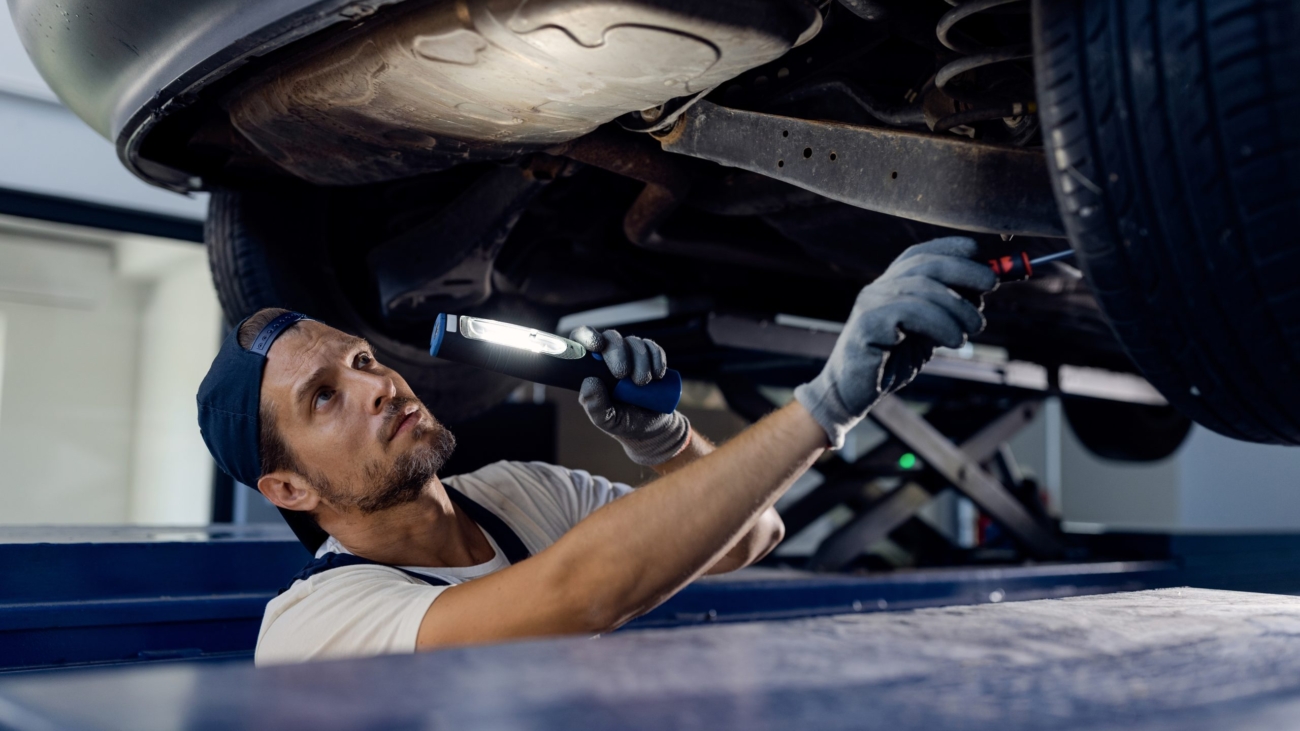
Driving over a smooth road can make a vehicle’s suspension system seem almost invisible. The cabin remains stable, the wheels follow the road surface, and steering inputs produce predictable movement. Yet beneath the vehicle, a network of springs, dampers, joints, and linkages constantly responds to changing conditions.
The suspension and steering systems influence far more than ride comfort. They contribute to tire contact, braking stability, vehicle control, and the driver’s ability to respond to unexpected road situations.
How Suspension Components Work Together
A suspension system connects the wheels to the vehicle’s structure while allowing controlled movement over uneven surfaces. Springs support the vehicle’s weight and absorb energy from road irregularities. Shock absorbers or struts control spring movement and help prevent excessive bouncing.
Different vehicle designs use different suspension arrangements. Some have independent suspension at each wheel, while others use axle-based systems. The specific construction affects handling characteristics, maintenance requirements, and the types of components subject to wear.
Suspension systems also include rubber bushings, ball joints, control arms, stabilizer links, and other parts that help maintain correct wheel positioning.
Each component has a particular role, but their combined condition determines how effectively the system responds to the road.
Recognizing Worn or Damaged Components
Suspension wear often develops gradually. A vehicle may begin to feel less stable during turns, bounce excessively after passing over a bump, or produce clunking noises when traveling over uneven surfaces.
A change in ride height, visible fluid leakage from a shock absorber, or uneven tire wear may also indicate a problem.
However, symptoms can overlap. A vibration might originate from wheels or tires rather than suspension components. Similarly, pulling to one side can result from alignment differences, tire pressure, brake issues, or worn steering parts.
A proper inspection is necessary to identify the actual source instead of replacing components based on assumptions.
Steering: Turning Inputs Into Controlled Movement
The steering system translates the driver’s movements into changes in wheel direction. Modern vehicles commonly use electric power steering, while some older or specialized designs rely on hydraulic assistance.
Steering should feel consistent and predictable. Excessive play, sudden changes in steering effort, unusual noises, or a steering wheel that does not return normally after a turn may indicate a mechanical or electronic concern.
Electric power steering systems depend on sensors, control modules, and electric motors. A warning indicator or intermittent loss of assistance requires appropriate diagnosis.
Steering problems should never be ignored, especially when they affect the ability to maintain a stable path.
Why Wheel Alignment Deserves Attention
Wheel alignment describes the angles at which the wheels are positioned relative to the vehicle and road. The primary alignment measurements include camber, caster, and toe, although exact adjustment possibilities depend on the vehicle’s design.
Alignment can change after impacts with potholes, curbs, or other obstacles. Worn suspension components may also affect alignment stability.
Common symptoms include uneven tire wear, an off-center steering wheel, or a vehicle that drifts when driven on a relatively level road.
Correct alignment helps tires wear more evenly and supports predictable handling. It does not, however, repair damaged suspension parts or compensate for structural problems.
Driving Habits Influence Suspension Longevity
Road impacts place additional stress on suspension components. Reducing speed before large potholes, avoiding unnecessary impacts with curbs, and distributing heavy loads appropriately can help limit excessive strain.
Repeatedly carrying loads beyond the vehicle’s rated capacity may affect suspension performance and accelerate wear.
After a significant impact, pay attention to changes in steering, ride height, noises, and tire behavior. A visual inspection may reveal obvious damage, but internal component problems can remain hidden.
Comfort Is Only Part of the Picture
A well-maintained suspension system supports stable wheel contact and predictable vehicle behavior. It helps the driver maintain control while navigating uneven surfaces, curves, and sudden changes in road conditions.
Regular inspections, prompt attention to unfamiliar handling changes, and appropriate repairs help preserve these characteristics.
A smooth ride may be the most noticeable result of suspension maintenance, but its most important contribution is the support it provides to overall vehicle control.